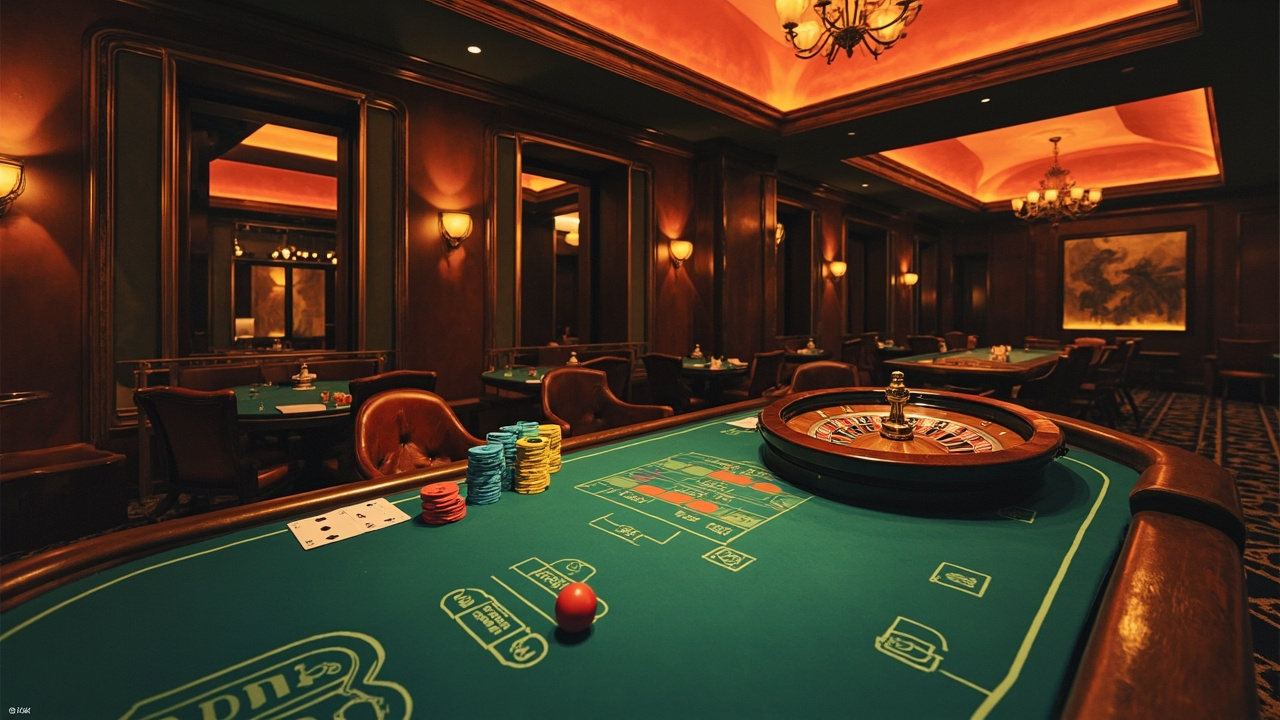

Texas Holdem Starting Hands Small Blind Positioning and Cashier Flow
Most Brisbane poker nights teach you the hard way that the small blind is a tax, not a gift, especially when you are weighing texas holdem starting hands small blind against a live raiser on the button. I have spent years structuring sponsorship and media deals around talent-led activations, and the same discipline applies here: you only commit capital when the position, the product, and the payment flow actually justify the exposure. The right starting hands from the small blind depend less on hero calls and more on disciplined ranges, clean cashier mechanics, and a house that treats deposits and withdrawals the way a serious rights deal treats clearance windows.
Range Discipline From the Small Blind
From the small blind, your opening and defending ranges shrink fast because you are already halfway to the pot and out of position for the rest of the hand. I usually tell brand partners that a mid-strength hand in a bad position is a media buy without a clear conversion path, and the same logic holds when you are deciding whether to call, fold, or squeeze with something like J-10 suited or a weak ace. The real skill is keeping your calling range tight enough that you are not donating every arvo session to players who respect your disadvantage. A couple of everyday moments make this concrete: I watched a mate fold 9-8 offsuit from the small blind three times in a row before finally calling with 8-7 suited and catching a clean two-tone flop that let him control the pot. Another time, a local tournament regular tried to rescue K-Q offsuit from the small blind after a raise and got stacked on a dry board, which is the exact kind of post-flop chaos you want to avoid when your position is already working against you. The practical takeaway is to treat your small blind ranges like a curated activation slate rather than a blanket buy-in, and if you want a deeper read on how these ranges map to broader hand selection, this piece on poker starting hands strategy lays out the same discipline in a way that fits Australian cash and tournament play.

Cashier Mechanics, Currencies, and Verification
A solid small blind strategy falls apart if the cashier is slow, opaque, or inconsistent with the currencies you actually use at the table. The operator I am assessing here positions itself around AUD settlements, with deposits flowing through familiar local methods and a cashier that keeps the currency toggle visible instead of burying it behind a generic wallet screen. Withdrawal requests run through a staged verification process that is never the fastest part of the journey, but the flow itself is straightforward: identity checks, a quick account match, and then a payout queue that settles on a published timeline rather than vanishing into silence. I have seen too many brand activations stall because the back-end paperwork was vague, and the same frustration shows up when a player is waiting on a withdrawal while the site keeps asking for the same documents in a different order. Limits are clearly posted, the processing window is stated up front, and the verification steps are consistent enough that you are not guessing which document gets asked for next. There is no magic here, just a payment path that respects the fact that real money is moving in and out, and that matters more than any flashy lobby when you are playing real hands from the small blind.
Mobile Play, Support, and Loyalty Fit
On mobile, the same small blind discipline has to survive a smaller screen and a faster pace, which is why the client I use for late-night sessions keeps the hand history, bet slider, and blind indicators readable without forcing constant zooming. Support is where a lot of operators quietly lose the plot, but this one keeps a live channel open during busy periods and answers position and cashier queries without making you re-explain your account every time. The loyalty side is built around consistent play rather than a stacked points circus, with rewards that actually track your volume instead of punishing you for taking a break between sessions. I once watched a talent-led poker activation fall apart because the backend rewards were disconnected from the actual audience behaviour, and the same mistake shows up when a loyalty program ignores how often you really sit in the small blind versus the button. If you are an Australian player who wants a clean mobile table, a support team that answers the actual question, and a loyalty structure that recognises steady play rather than empty volume, this setup fits that profile without pretending to be anything it is not.

That kind of stability matters most when you are chasing a tilt break or hunting for a little extra value without depositing again. You can check the latest 21bit no deposit bonus codes at 21bit no deposit bonus codes to see if there is anything waiting for your account. It is a small edge, but when the software and support are already holding up, it is worth grabbing before the tables heat up.
If you are weighing texas holdem starting hands small blind as part of a regular weekly session rather than a one-off thrill, the fit comes down to whether the position, the cashier, and the mobile experience all line up with the way you actually play. The operator here is built for players who want AUD clarity, predictable verification, and a small blind strategy that does not rely on reckless defence, which makes it a sensible choice for disciplined locals who value a clean flow over noise.